
Raised Beds vs. In-Ground Planting: Which Setup Works Better for Home Vegetable Gardens

Key Takeaways
Our Verdict
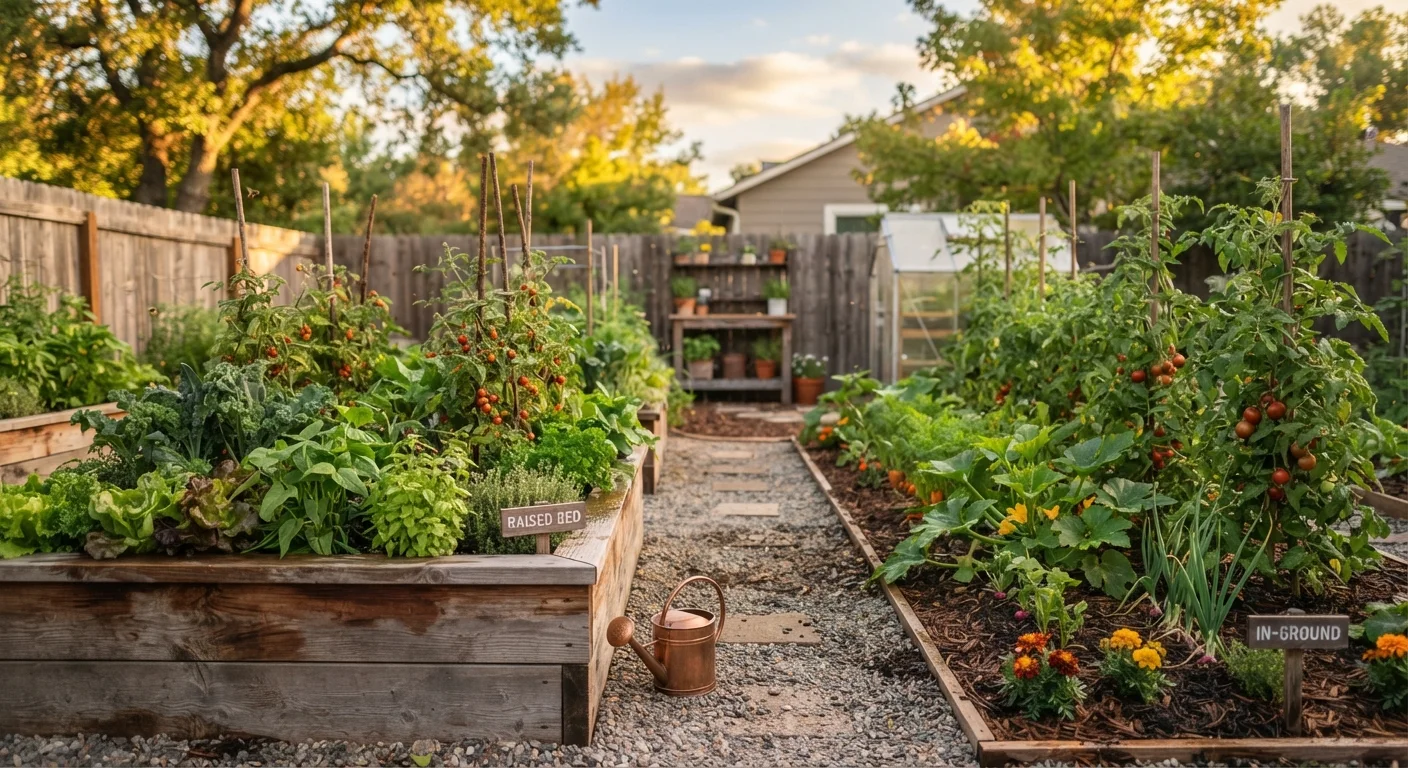
Raised beds deliver clear advantages in soil control, drainage, and ease of use, making them a strong choice for most home gardeners - especially those dealing with poor native soil or limited mobility. In-ground planting remains a practical, cost-effective option for gardeners with healthy soil and larger plots to cover. Neither approach is universally superior; the best fit depends on your yard's conditions, budget, and how much physical effort you want to invest.
| Best for | Recommended |
|---|---|
| Gardeners with poor, rocky, or compacted native soil | Raised Beds |
| Those with limited mobility or back and knee concerns | Raised Beds |
| Large-scale growing on a tight budget | In-Ground Planting |
| Beginners with good existing soil who want to start simply | In-Ground Planting |
Soil Control and Quality
Soil quality is the single greatest predictor of vegetable garden success - and it's where raised beds hold their strongest advantage. When you build a raised bed, you fill it with a custom mix of topsoil, compost, and other amendments tailored to vegetables. You're not inheriting decades of compaction, clay, or nutrient depletion from your yard.
In-ground gardening works with whatever your native soil offers. In many American yards, that means clay-heavy, compacted, or nutrient-poor ground that requires years of amendment before it performs well. If you're starting a vegetable garden from scratch, testing your native soil first is essential - it often reveals challenges that are easier to sidestep with a raised bed than to correct in place.
That said, gardeners with naturally loamy, well-draining native soil gain far less from raised beds. Adding generous amounts of homemade compost each season can steadily improve in-ground soil to a high level of productivity over time.
| Raised Beds | In-Ground Planting | |
|---|---|---|
| Upfront Cost | Higher (materials + fill soil) | Lower (minimal materials needed) |
| Soil Control | Full control over growing mix | Dependent on native soil quality |
| Drainage | Excellent; adjustable | Variable; can waterlog in clay soil |
| Weed Pressure | Lower at setup; manageable | Higher; requires consistent control |
| Pest Barriers | Hardware cloth lining possible | No practical bottom barrier |
| Accessibility | High; adjustable working height | Low; requires bending and kneeling |
| Scalability | Modular; expand one bed at a time | Easy to expand large areas |
| Long-Term Maintenance | Frame upkeep; topping off soil mix | Ongoing soil amendment; more weeding |
Cost and Setup Requirements
Upfront cost is where in-ground planting wins decisively. Preparing a ground-level bed requires little more than a shovel, some compost, and time. Raised beds, by contrast, require materials for the frame - lumber, composite boards, or galvanized metal - plus enough quality growing mix to fill the structure. For a single 4×8 foot cedar bed filled to 12 inches deep, material costs can add up quickly before a single seed goes in.
Over the long term, the math shifts. Raised beds often require less water (due to better drainage and targeted irrigation) and less weeding labor, which can offset initial costs over several growing seasons. In-ground plots may need recurring soil amendment purchases and more herbicide or mulching effort to manage weeds. See our guide to mulch versus bare soil trade-offs for strategies that apply to both setups.
Stretch Your Raised Bed Budget
You don't need premium lumber to get started. Untreated pine or naturally rot-resistant woods like cedar or black locust balance cost and longevity. Alternatively, galvanized steel kits have become a widely used option for durability. Always verify that any materials used near food crops are food-safe and free from chemical treatments that could leach into growing soil.
Drainage, Pests, and Weed Pressure
Drainage is a structural advantage of raised beds - water moves through more freely, reducing root rot risk in wet climates or after heavy rain. In-ground beds in low-lying areas can stay waterlogged for days, stressing vegetable roots and creating conditions for fungal disease.
Weed pressure is notably lower in raised beds, particularly when filled with imported growing mix rather than native soil. Weed seeds from the surrounding yard still blow in, but the starting bank is smaller. In-ground plots share weed seed banks with the entire surrounding landscape, making consistent mulching and cultivation more important - a consideration worth weighing alongside the common gardening myths around weed control that can lead gardeners astray.
Burrowing pests like voles or gophers can be deterred in raised beds by lining the bottom with hardware cloth before filling. In-ground plots have no equivalent barrier without significant excavation and installation work.
Accessibility and Long-Term Usability
For gardeners who experience back pain, knee problems, or limited mobility, raised bed height is a genuine game-changer. A bed built to 24-30 inches tall allows seated or standing cultivation without bending. This isn't a minor convenience - it's often what keeps older gardeners or those with physical limitations actively growing food for years longer than they otherwise could.
In-ground planting requires stooping, kneeling, and crawling along rows. Kneeling pads and garden stools help, but they don't fully replicate the comfort of working at a true raised surface. If physical accessibility is a priority in your household, this factor alone may settle the comparison.
Consider also that raised beds are modular - you can start with one and expand gradually. In-ground gardens scale easily too, but expanding them means more soil preparation work each time. Pairing either setup with smart companion planting strategies can help maximize productivity regardless of which method you choose.
6-8 inches
Minimum raised bed depth for most vegetables
Most vegetable root systems need at least 6 inches of loose, workable growing medium; root crops like carrots prefer 12 or more.
4 feet
Recommended maximum raised bed width
A width of 4 feet allows most gardeners to reach the center from either side without stepping into the bed and compacting the soil.