

Key Takeaways
The Problem Usually Starts Below the Surface
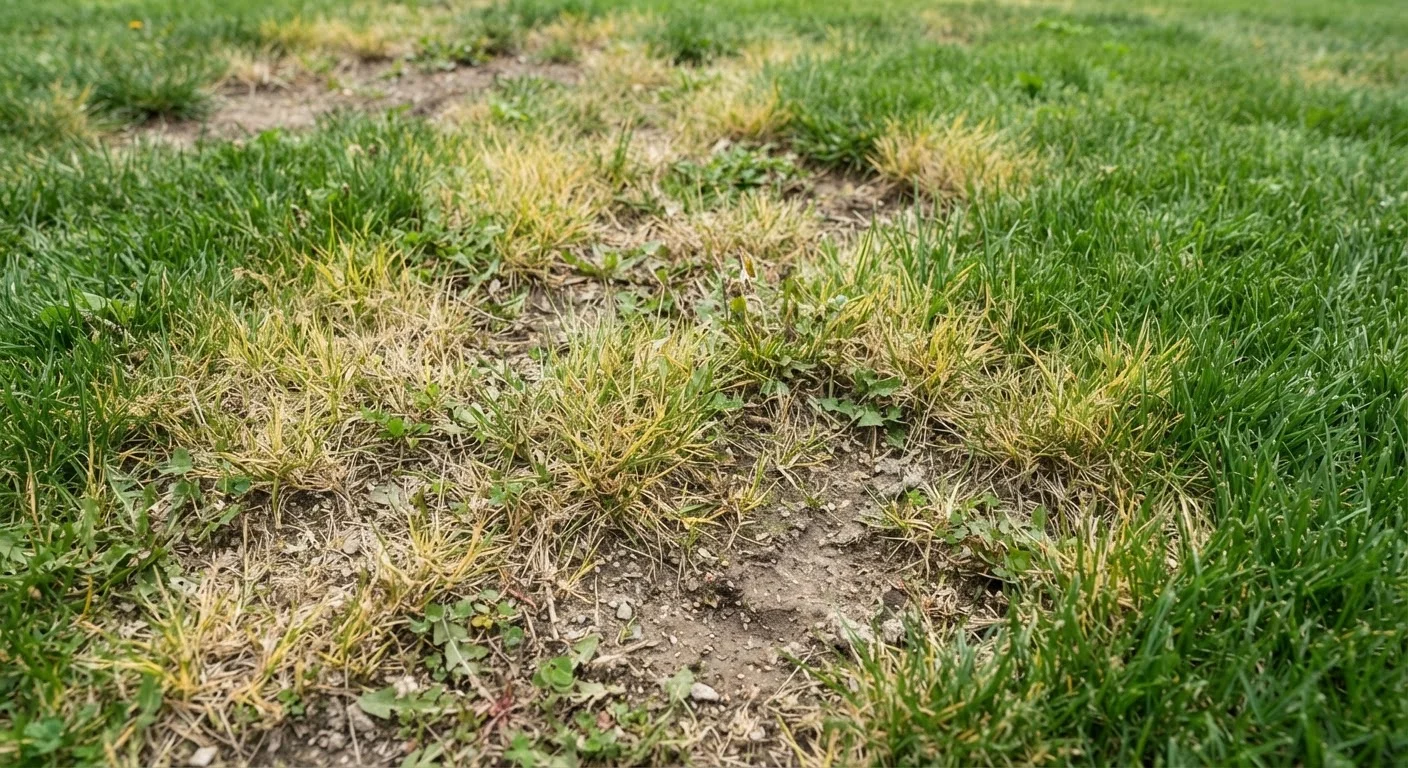
When a lawn starts thinning out, most homeowners reach for fertilizer or reseed bare patches - and then watch the same problems return by the following season. That cycle happens because thinning grass is almost always a symptom, not the root cause. The real trouble is typically happening in the soil and root zone, where it's harder to see but far easier to fix once you know what to look for.
Understanding what's going wrong underground - compacted soil, poor drainage, depleted nutrients, or even the wrong grass species for your region - puts you in a much stronger position to break the cycle for good. Before adjusting your lawn care routine, it helps to correctly identify which mistakes are at play. The sections below walk through the most common ones, why they happen, and how to address them.
Mowing the grass too short, known as scalping.
Why it happens: Many homeowners assume shorter grass means less frequent mowing, or that a closely cropped lawn looks neater. This leads to cutting well below the recommended height for the grass species.
Watering too frequently but too shallowly.
Why it happens: Short daily watering cycles feel intuitive - grass is getting water every day, so it should stay green. In practice, light watering only moistens the top inch or two of soil, keeping roots near the surface where they're vulnerable.
Ignoring soil compaction until damage is already visible.
Why it happens: Compaction builds gradually from foot traffic, heavy equipment, and normal use, so it rarely triggers immediate alarm. By the time grass visibly thins, the soil may have been compacted for years.
Allowing thatch to accumulate beyond half an inch.
Why it happens: Thatch - a layer of dead and living organic matter between the grass blades and soil - forms naturally, and many homeowners don't realize it becomes problematic until it's already thick enough to repel water and nutrients.
Applying fertilizer on the wrong schedule or in excess.
Why it happens: Fertilizing feels productive, and more nutrients can seem like a straightforward fix for struggling grass. Over-fertilizing, or fertilizing during heat or drought stress, can burn roots and worsen thinning.
Connecting the Dots: Soil Health, Watering, and Grass Type
Most lawn problems involve more than one factor working together. Compacted soil, for example, doesn't just suffocate roots - it also causes water to run off the surface rather than absorbing, which compounds drought stress even when you're watering regularly. Similarly, the wrong grass variety for your climate will always struggle, no matter how attentive your maintenance routine is. If you're unsure whether your turf species suits your region, see our guide to cool- and warm-season grasses before investing further in lawn repairs.
80%
Lawn problems traced to soil issues
Turf grass specialists commonly estimate that the majority of persistent lawn problems originate in soil conditions rather than above-ground care practices.
6 inches
Target soil depth for grass roots
A healthy lawn root system typically extends 6 inches or deeper into the soil, providing drought resilience - shallow watering keeps roots well short of this depth.
Watering habits are another area where small adjustments yield outsized results. Frequent, shallow watering trains grass roots to stay near the surface, making turf fragile during dry spells. Shifting to a deeper, less frequent schedule encourages roots to follow moisture further into the soil. Our article on lawn watering schedules explains how timing your irrigation properly can make a meaningful difference in root depth and overall turf density.
If soil compaction is a confirmed issue, aeration is one of the most effective corrective steps available to homeowners. For a thorough breakdown of when and how to aerate, including aftercare tips, see The Complete Guide to Lawn Aeration. Once you've addressed underlying problems, preparing your lawn properly heading into fall helps lock in recovery gains - work through our fall lawn prep checklist to set your turf up for a stronger spring. If you're open to reconsidering your lawn's design altogether, incorporating native plants can reduce maintenance demands while improving long-term yard health.