

Key Takeaways
Linked to lower cardiovascular disease risk
Multiple large studies associate plant-forward diets with reduced LDL cholesterol and lower rates of heart disease, likely due to high fiber content and reduced saturated fat intake.
High dietary fiber supports digestive health
Plant foods are the primary source of dietary fiber, which supports gut microbiome diversity, regularity, and is associated with reduced colorectal cancer risk in population studies.
Associated with healthier weight management
Plant-based diets tend to be lower in caloric density, meaning people can eat satisfying volumes of food while managing overall calorie intake - a factor linked to lower obesity rates in observational research.
Lower environmental footprint in most analyses
Plant-centered diets generally require less land, water, and energy to produce than diets heavy in animal products, according to life-cycle assessments published in environmental nutrition research.
Rich in antioxidants and phytonutrients
Fruits, vegetables, legumes, and whole grains provide a broad range of antioxidants and plant compounds that are consistently linked to reduced inflammation markers in research settings.
Vitamin B12 requires supplementation or fortified foods
B12 is found almost exclusively in animal products. Individuals following fully vegan diets are at clear risk of deficiency without supplementation, which can have serious neurological consequences if prolonged.
Iron and zinc absorption is lower from plant sources
Non-heme iron (found in plants) is absorbed less efficiently than heme iron from meat. Pairing iron-rich plant foods with vitamin C can improve absorption, but this requires intentional meal planning.
Omega-3 fatty acids need careful attention
Fatty fish is the most concentrated dietary source of EPA and DHA omega-3s. Plant sources like flaxseed and walnuts provide ALA, a precursor that the body converts inefficiently - a gap that may require algae-based supplements.
Protein completeness takes planning
While plant foods collectively provide all essential amino acids, no single plant food matches the complete amino acid profile of most animal proteins. Combining varied protein sources - legumes, grains, soy - across the day addresses this.
Processed plant products can be high in sodium and additives
Many packaged meat and dairy alternatives are heavily processed and can contain substantial sodium, saturated fat from coconut oil, or other additives - undermining the health case if they dominate the diet.
Our Verdict
Plant-based eating carries genuine, well-documented health benefits - particularly for cardiovascular and metabolic health - but it is not without nutritional considerations that demand attention. The benefits are strongest when the approach centers whole foods rather than heavily processed plant-labeled alternatives. No single dietary pattern suits everyone, and the evidence supports thoughtful, individualized choices over sweeping rules.
Best for health-conscious adults willing to plan meals carefully, who are interested in reducing processed meat intake and increasing fiber-rich whole foods - and who are open to periodic guidance from a nutrition professional.
What 'Plant-Based' Actually Means
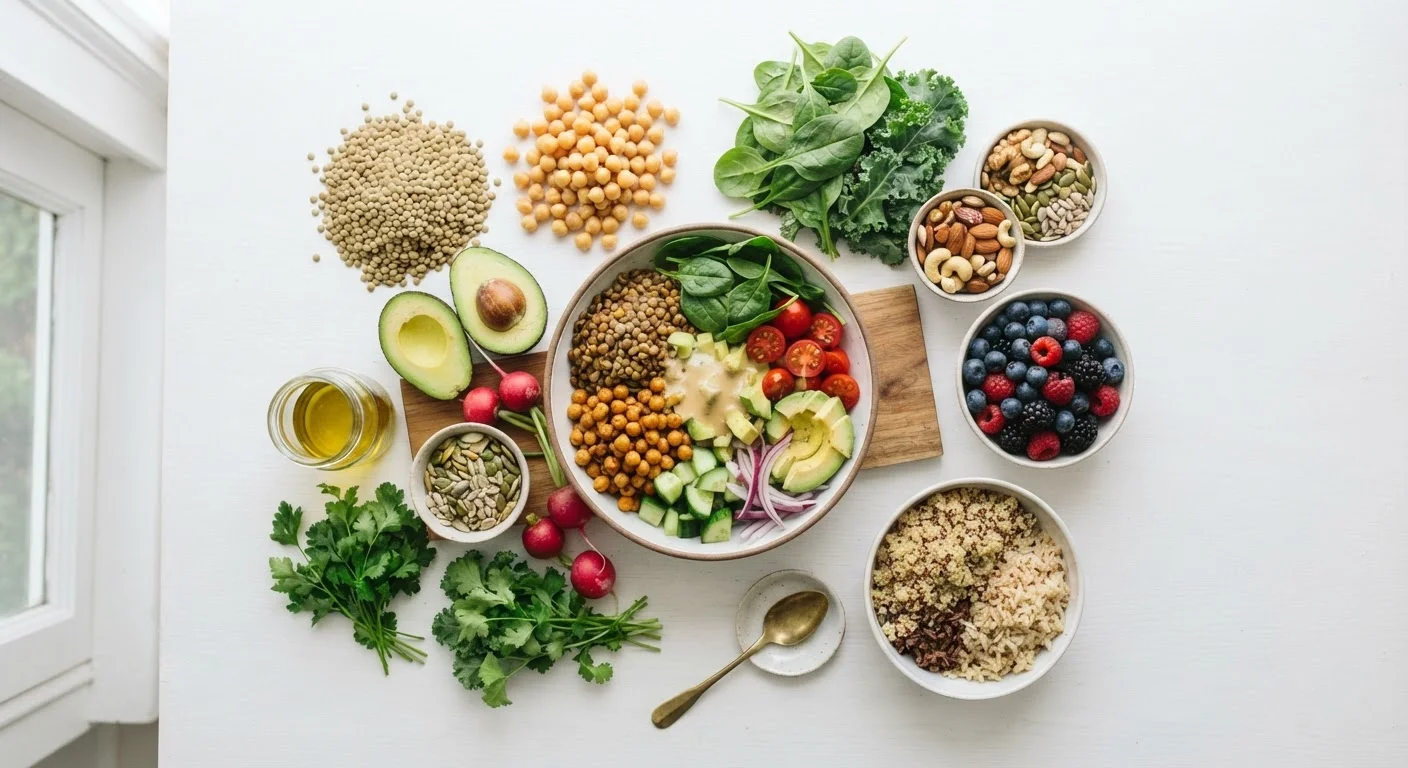
The phrase "plant-based" gets applied to everything from a strict vegan diet to a burger that simply contains a vegetable patty. In practice, it refers to any eating pattern that centers vegetables, fruits, legumes, whole grains, nuts, and seeds - while reducing or eliminating animal products. That range matters enormously when evaluating trade-offs.
A flexitarian approach - eating mostly plant foods while occasionally including meat, fish, eggs, or dairy - carries a different nutritional profile than a fully vegan diet. Understanding where you fall on that spectrum is the right starting point before weighing benefits against limitations. It's also worth noting that plant-based does not automatically mean nutritious: ultra-processed vegan snacks and meat alternatives occupy the same category as a bowl of lentils and roasted vegetables, yet their health implications differ widely. For more on how processing level shapes nutritional value, see the spectrum from whole to processed foods.
Linked to lower cardiovascular disease risk
Multiple large studies associate plant-forward diets with reduced LDL cholesterol and lower rates of heart disease, likely due to high fiber content and reduced saturated fat intake.
High dietary fiber supports digestive health
Plant foods are the primary source of dietary fiber, which supports gut microbiome diversity, regularity, and is associated with reduced colorectal cancer risk in population studies.
Associated with healthier weight management
Plant-based diets tend to be lower in caloric density, meaning people can eat satisfying volumes of food while managing overall calorie intake - a factor linked to lower obesity rates in observational research.
Lower environmental footprint in most analyses
Plant-centered diets generally require less land, water, and energy to produce than diets heavy in animal products, according to life-cycle assessments published in environmental nutrition research.
Rich in antioxidants and phytonutrients
Fruits, vegetables, legumes, and whole grains provide a broad range of antioxidants and plant compounds that are consistently linked to reduced inflammation markers in research settings.
Real Nutritional Considerations Worth Knowing
Plant-based diets do require deliberate planning to avoid common shortfalls. This is not a reason to avoid them - it is simply practical information that helps people make informed choices.
Vitamin B12 requires supplementation or fortified foods
B12 is found almost exclusively in animal products. Individuals following fully vegan diets are at clear risk of deficiency without supplementation, which can have serious neurological consequences if prolonged.
Iron and zinc absorption is lower from plant sources
Non-heme iron (found in plants) is absorbed less efficiently than heme iron from meat. Pairing iron-rich plant foods with vitamin C can improve absorption, but this requires intentional meal planning.
Omega-3 fatty acids need careful attention
Fatty fish is the most concentrated dietary source of EPA and DHA omega-3s. Plant sources like flaxseed and walnuts provide ALA, a precursor that the body converts inefficiently - a gap that may require algae-based supplements.
Protein completeness takes planning
While plant foods collectively provide all essential amino acids, no single plant food matches the complete amino acid profile of most animal proteins. Combining varied protein sources - legumes, grains, soy - across the day addresses this.
Processed plant products can be high in sodium and additives
Many packaged meat and dairy alternatives are heavily processed and can contain substantial sodium, saturated fat from coconut oil, or other additives - undermining the health case if they dominate the diet.
A Note on Special Populations
Special populations - including pregnant individuals, growing children, older adults, and people managing chronic conditions - face a higher risk of nutritional gaps on restrictive plant-based diets. For example, adequate calcium, iodine, and vitamin D deserve particular attention for children following vegan diets. A registered dietitian or physician should be involved in any significant dietary change for these groups. This article is general education, not personalized guidance.
Special populations - including pregnant individuals, growing children, older adults, and people managing chronic conditions - face a higher risk of nutritional gaps on restrictive plant-based diets. A registered dietitian or physician should be involved in any significant dietary change for these groups.
What the Evidence Broadly Shows
~25%
Reduction in heart disease risk
A meta-analysis published in the Journal of the American Heart Association found vegetarian diets associated with roughly a 25% lower risk of ischemic heart disease compared to omnivorous diets.
~23%
Lower type 2 diabetes incidence
Research published in PLOS Medicine found plant-based dietary patterns associated with approximately a 23% reduced risk of type 2 diabetes in large prospective cohort studies.
Large observational studies consistently associate plant-heavy dietary patterns with lower rates of cardiovascular disease, type 2 diabetes, and certain cancers. Researchers generally attribute these benefits to higher fiber intake, reduced saturated fat, greater antioxidant density, and lower overall caloric density - rather than the simple absence of meat.
However, observational research cannot establish direct causation. People who eat plant-forward diets often share other health-promoting habits: higher physical activity, lower smoking rates, and greater health literacy. Scientists work to control for these factors, but the complexity of diet-disease relationships means certainty has limits. Presenting this evidence honestly is important - the associations are real and meaningful, but they are not guarantees of individual outcomes.
It's also worth understanding that the evidence supporting Mediterranean and DASH-style eating patterns - which include moderate amounts of fish, poultry, and dairy - is similarly strong. Comparing these patterns side by side can help clarify which approach fits your life and preferences best.
Practical Considerations for Everyday Americans
Cost is often cited as a barrier to plant-based eating, but dried legumes, frozen vegetables, oats, and whole grains are among the most affordable foods available. The challenge tends to arise when convenience plant-based products - packaged meat alternatives, specialty dairy substitutes - become dietary staples. Thoughtful grocery shopping habits can make whole-food plant eating both practical and budget-friendly.
Social contexts - family meals, restaurants, travel - also require navigation. A realistic approach involves flexibility: understanding your nutritional priorities and making the best available choices, rather than treating any deviation as a failure. Many nutrition professionals note that overall dietary patterns over time matter far more than any single meal.
Finally, be cautious of bold claims in either direction. Plant-based eating is neither a cure-all nor nutritionally reckless - and common nutrition myths tend to push people toward extreme positions that the evidence doesn't support.
This article is for general informational and educational purposes only and does not constitute medical or dietary advice. Always consult a qualified healthcare professional or registered dietitian before making significant changes to your diet, especially if you have an existing health condition.