

Travel & Trips

Things Every Traveler Should Verify Before Crossing an International Border

Share
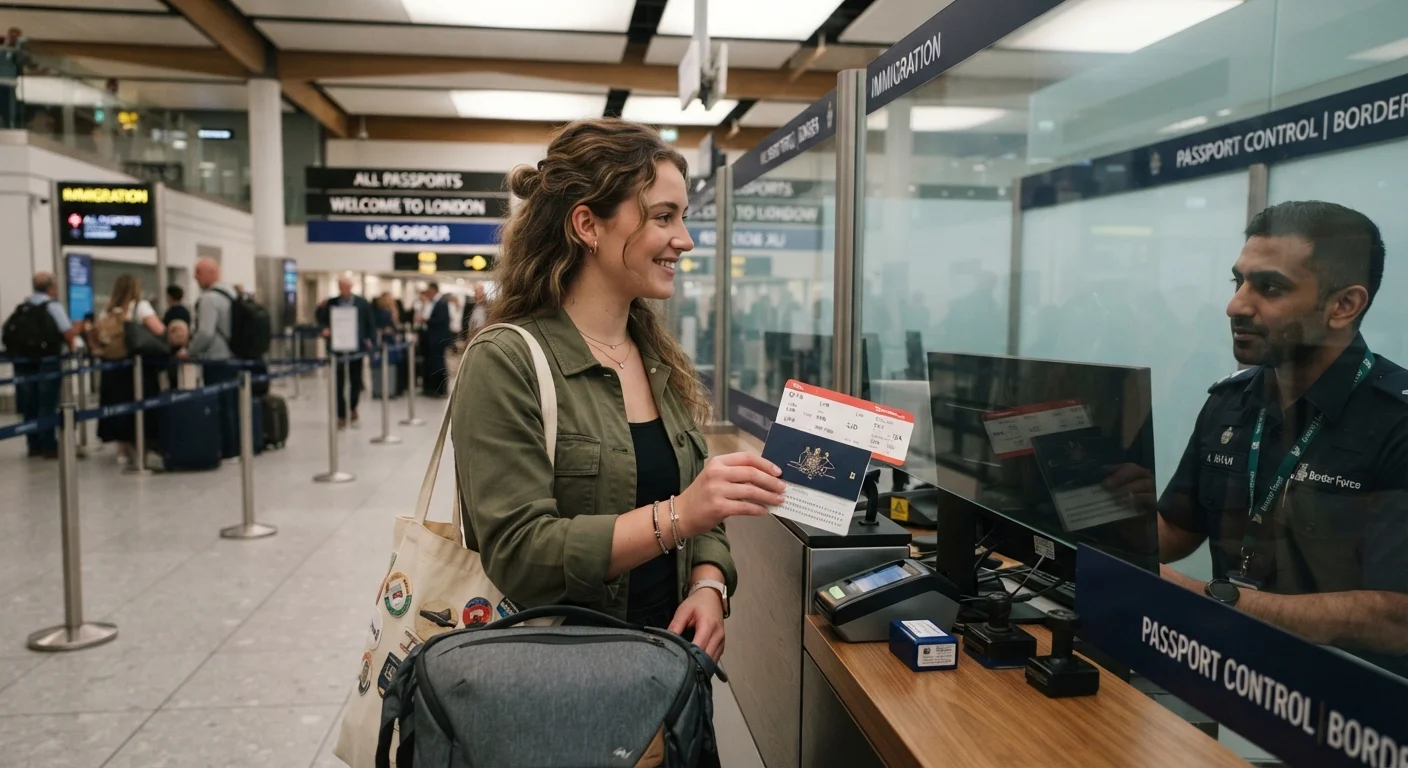
A traveler holding a passport at an international border passport control checkpoint.

Key Takeaways

Entry requirements — including visa rules and passport validity — change frequently and must be verified before every trip.
Your passport typically needs six months of validity beyond your travel dates, depending on the destination.
Health documentation requirements such as vaccination records vary by country and can be updated without notice.
Travel advisories issued by the U.S. government can affect your entry eligibility or travel insurance coverage.
Always verify entry requirements directly with official government sources, not just travel blogs or booking sites.
30–60 min

Summary

18 items · 30–60 minutes

Why This Checklist Exists

Border rules are not static. Countries update visa policies, health requirements, and entry restrictions regularly — sometimes with very little public notice. Relying on what worked last time, or what a friend experienced six months ago, can leave you stranded at a checkpoint or, worse, denied boarding before you even take off.

This checklist is designed for American travelers preparing for international travel. It covers the documentation, health, financial, and safety checks that border agents and airlines actually enforce. Run through it at least two to four weeks before departure — not the night before — so you have time to act on anything you find.

For a broader pre-departure overview, see our pre-trip preparation checklist. If you're still in the research phase, researching your destination thoroughly before you commit to a booking is a smart first move.

Official Sources Only — Not Travel Forums

Entry requirements can and do change between when a blog post was written and when you actually travel. Always verify visa rules, health documentation, and advisory levels directly with official government sources — the U.S. State Department, the CDC, and your destination country's embassy or consulate. Unofficial sources, including travel forums and booking platforms, may be outdated or simply wrong.

What to Verify and What Tools to Use

The most reliable sources for entry requirements are official ones: the U.S. Department of State's travel website (travel.state.gov), the destination country's official embassy or consulate website, and the CDC for health-related travel guidance. Cross-reference at least two official sources, since country-specific and U.S.-side rules can differ.

Required

U.S. Department of State Travel Website (travel.state.gov)

Look up country-specific entry requirements, current travel advisories, and passport validity rules.

Required

CDC Traveler's Health Website (wwwnc.cdc.gov/travel)

Find destination-specific vaccination requirements and health advisories for international travel.

Required

Destination Country's Official Embassy or Consulate Website

Verify visa rules, required documentation, and any entry conditions directly from the issuing authority.

Optional

STEP (Smart Traveler Enrollment Program)

Register your trip with the U.S. embassy in your destination country to receive safety updates and emergency assistance.

For destination-specific logistics — including currency, time zones, and entry rules for commonly visited countries — our entry requirements and logistics guide is a useful quick reference. If you're traveling on a tight budget, also check our end-to-end guide for budget travelers abroad — it covers how border costs can affect your overall spending.

Passport & Identity Documents

Confirm your passport is valid for at least six months beyond your planned return date — many countries enforce this rule strictly. Must
Check that your passport has enough blank visa pages; several countries require two or more blank pages for stamps. Must
Make two photocopies of your passport bio page and store one separately from the original (e.g., in checked luggage or a hotel safe). Should
Scan your passport, driver's license, and travel insurance card and email them to yourself for secure digital access. Should

Visa & Entry Authorization

Verify whether your destination requires a visa in advance or offers visa-on-arrival for U.S. passport holders — check the official embassy website. Must
If an electronic travel authorization (such as ESTA for the EU or eTA for Canada) is required, apply well before your departure date. Must
Confirm your visa type permits the activities you plan — tourist visas typically prohibit paid work or long-term study. Must
Check whether your destination has bilateral agreements that affect U.S. citizen entry (e.g., maximum stay durations under visa-free arrangements). Should

Health & Vaccination Requirements

Review the CDC's destination-specific health page to identify required and recommended vaccinations for your travel destination. Must
Obtain any required proof-of-vaccination documents (such as a yellow fever certificate) in the official format accepted by the destination country. Must
Carry a signed letter from your physician if you are transporting prescription medication, especially controlled substances or injectable drugs. Should
Check whether your destination has active health advisories or entry health screenings and confirm what documentation they require. Should

Financial & Customs Readiness

Verify whether your destination requires proof of sufficient funds and confirm what documentation (bank statements, return ticket) border agents may request. Must
Declare any cash amounts above the threshold required by both the U.S. and the destination country — typically USD $10,000 equivalent. Must
Review customs rules for items you are bringing in (food, alcohol, electronics) to avoid confiscation or fines at the border. Should
Notify your bank of your travel dates and destinations to avoid card freezes; confirm your cards work on international networks. Nice to have

Safety, Insurance & Advisory Checks

Check the U.S. State Department's current travel advisory level for your destination and note any regions or activities flagged as elevated risk. Must
Confirm your travel insurance policy covers the destination, activities, and medical evacuation — and review what documentation a claim requires. Should

Check Requirements Again Close to Departure

Even if you verified everything when you booked, review this checklist again 2–3 weeks before you fly. Countries have introduced new entry requirements — including health declarations and electronic authorizations — with as little as a few days' notice. A final check is a small time investment that can prevent a very expensive problem.

Travel & Trips Editorial Team is the collective byline for our editorial team and contributor network. Articles published under this byline or an editorial pen name are researched, written, and reviewed according to our editorial standards for clarity, consistency, and independence before publication.

View all articles by Travel & Trips Editorial Team →
Disclaimer: The content on this site is for informational purposes only and is not a substitute for professional advice. Always consult a qualified professional for guidance specific to your situation.