

Key Takeaways
Start here
Why Mexico City Surprises First-Time Visitors
Orient yourself
Neighborhoods Worth Knowing
Plan logistics
Getting Around the City
Dig deeper
Culture, Food, and Practical Expectations
Before you go
Safety, Health, and Entry Basics
Why Mexico City Surprises First-Time Visitors
Mexico City - locally called CDMX - is one of the largest urban areas on Earth, home to roughly 21 million people in the greater metro area. That scale intimidates some first-time visitors, but it also means the city contains multitudes: world-class museums, pre-Columbian archaeological sites embedded within a modern metropolis, extraordinary food at every price point, and a cultural energy that feels impossible to exhaust.
The most common first-time mistake is treating it like a quick stopover. CDMX rewards the visitor who slows down, wanders a colonia (neighborhood) without an agenda, and lets a two-hour lunch turn into three. If you're building your itinerary from the ground up, our complete trip-planning walkthrough is a useful starting framework before you fill in destination-specific details.
Colonia
A colonia is a neighborhood or district within a Mexican city. CDMX has hundreds of them, each with its own character, history, and feel.
CDMX
The abbreviation for Ciudad de México - the official name of Mexico City since it became its own federal entity in 2016, separate from the surrounding State of Mexico.
Metrobús
A bus rapid transit system in Mexico City that runs on dedicated lanes. It complements the Metro and covers corridors the subway doesn't reach.
Casa de cambio
A currency exchange office. These are typically found in tourist areas and airports, and generally offer more transparent rates than exchanging money at hotel front desks.
Forma Migratoria Múltiple (FMM)
The tourist card issued to foreign visitors entering Mexico. It documents your permitted length of stay and must be kept with your passport while in the country.
Neighborhoods Worth Knowing
CDMX is effectively a collection of distinct villages stitched into a city. Picking one or two as your base - rather than trying to cover everything - makes the experience far more coherent.
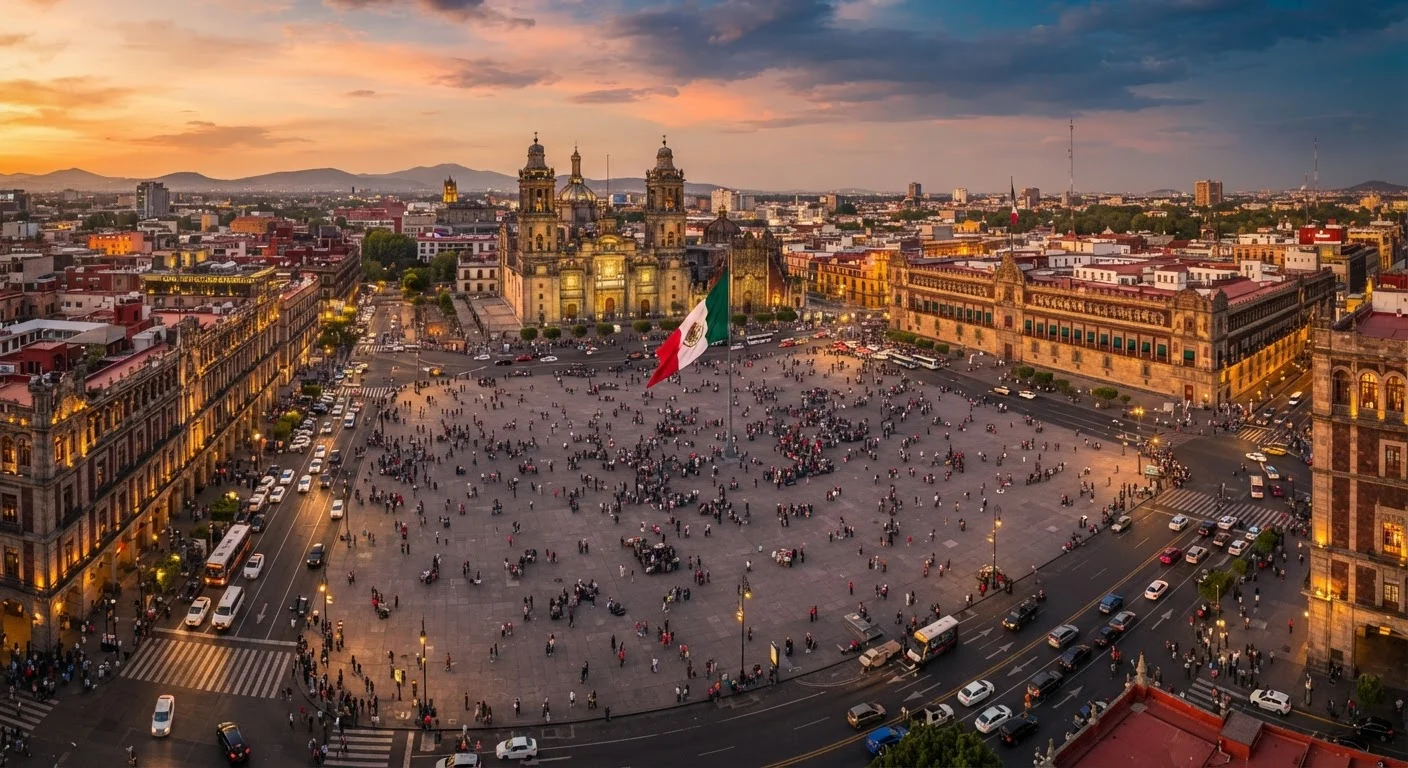
- Centro Histórico: The ancient heart of the city, built atop the Aztec capital of Tenochtitlán. The Zócalo, Templo Mayor ruins, and the Palacio de Bellas Artes are all here. It's dense, loud, and historically astonishing.
- Roma & Condesa: Tree-lined boulevards, Art Deco apartment buildings, sidewalk cafés, and a very walkable scale. These adjacent neighborhoods are popular with both locals and visitors for good reason.
- Coyoacán: A quieter, colonial-era borough with cobblestone streets, the Frida Kahlo Museum (reserve tickets well ahead), and excellent market food.
- Polanco: The city's upscale district, home to major museums including the Museo Nacional de Antropología - one of the genuinely unmissable cultural institutions in the Americas.
Each of these areas has a distinct character. Researching a destination's neighborhoods before arrival helps you match your lodging choice to how you actually want to spend your days.
Getting Around the City
The Metro (Sistema de Transporte Colectivo) is the backbone of city transit - it's extensive, inexpensive, and generally reliable outside peak crush hours. Stations are identified by color-coded icons, which makes navigation accessible even without Spanish fluency. The Metrobús (bus rapid transit) fills gaps the Metro doesn't reach.
For shorter hops or when you're carrying bags, app-based ride services are widely used in CDMX and generally considered safer than hailing unregistered street taxis. Traffic congestion can be severe; build generous time buffers into any schedule that involves surface roads.
Load a Offline Map Before You Arrive
Download an offline map of CDMX before you land - apps that support offline navigation are invaluable in a city this size, especially in areas with spotty data coverage. Mark your accommodation, the nearest Metro stations, and a few neighborhood anchors so you can orient yourself without burning through data.
If CDMX is one stop on a broader Mexican itinerary, strategies for sequencing multi-city trips can help you map transit connections to other destinations like Oaxaca or Puebla.
Culture, Food, and Practical Expectations
Mexican cuisine as experienced in CDMX bears little resemblance to what most Americans know from home. Tacos here come in dozens of regional styles; tlayudas, tamales, memelas, and quesadillas vary block by block. The general rule for street food safety: look for stalls with high turnover and a visible local clientele. A busy taco stand at lunchtime is usually a reliable sign.
Museums are a genuine strength of the city - the Anthropology Museum alone merits a full day. Many national museums have reduced or free admission on Sundays for Mexican citizens, but hours and policies shift, so verify before you go. Spanish is the language of daily life; a handful of basic phrases goes a long way in terms of both practicality and courtesy.
Sunday Museum Access Varies
Many of Mexico City's national museums offer free or reduced admission on Sundays - but policies, hours, and eligible visitors vary by institution and can change seasonally. Check the museum's official website or contact them directly rather than assuming free entry will apply to international visitors.
If budget is a consideration, CDMX is generally affordable by international standards, though costs vary sharply by neighborhood. Our guide to budget travel abroad covers the financial groundwork worth doing before any international trip.
Safety, Health, and Entry Basics
Altitude is the health factor most visitors underestimate. At roughly 7,350 feet, CDMX sits higher than Denver. Mild headaches, fatigue, or breathlessness on day one are common and usually resolve within 24-48 hours. Staying hydrated and avoiding heavy alcohol on arrival day helps most people adjust smoothly. If you have a pre-existing cardiovascular or respiratory condition, consult your healthcare provider before traveling to high-altitude destinations.
Regarding safety: many hundreds of thousands of international tourists visit CDMX each year without incident. That said, the US State Department maintains a tiered travel advisory system for Mexican states, and it's worth reviewing the current advisory for Mexico City specifically at travel.state.gov before your trip. Stick to established tourist neighborhoods, use vetted transport options, and keep situational awareness - the same habits that serve travelers well anywhere.
Verify Entry and Advisory Details Officially
Entry requirements, health documentation rules, and travel advisories for Mexico can change with little warning. Always check the US State Department (travel.state.gov) and Mexico's official immigration authority for current, authoritative information before you travel. Third-party travel sites may carry outdated details.
Entry requirements - including any health documentation, visa rules, or customs declarations - are set by government authorities and change without notice. Always verify the latest requirements through official sources (the US State Department and Mexico's Secretaría de Relaciones Exteriores) well before your departure date. Do not rely solely on travel blogs or third-party booking sites for this information.