

Key Takeaways
Off the Beaten Path
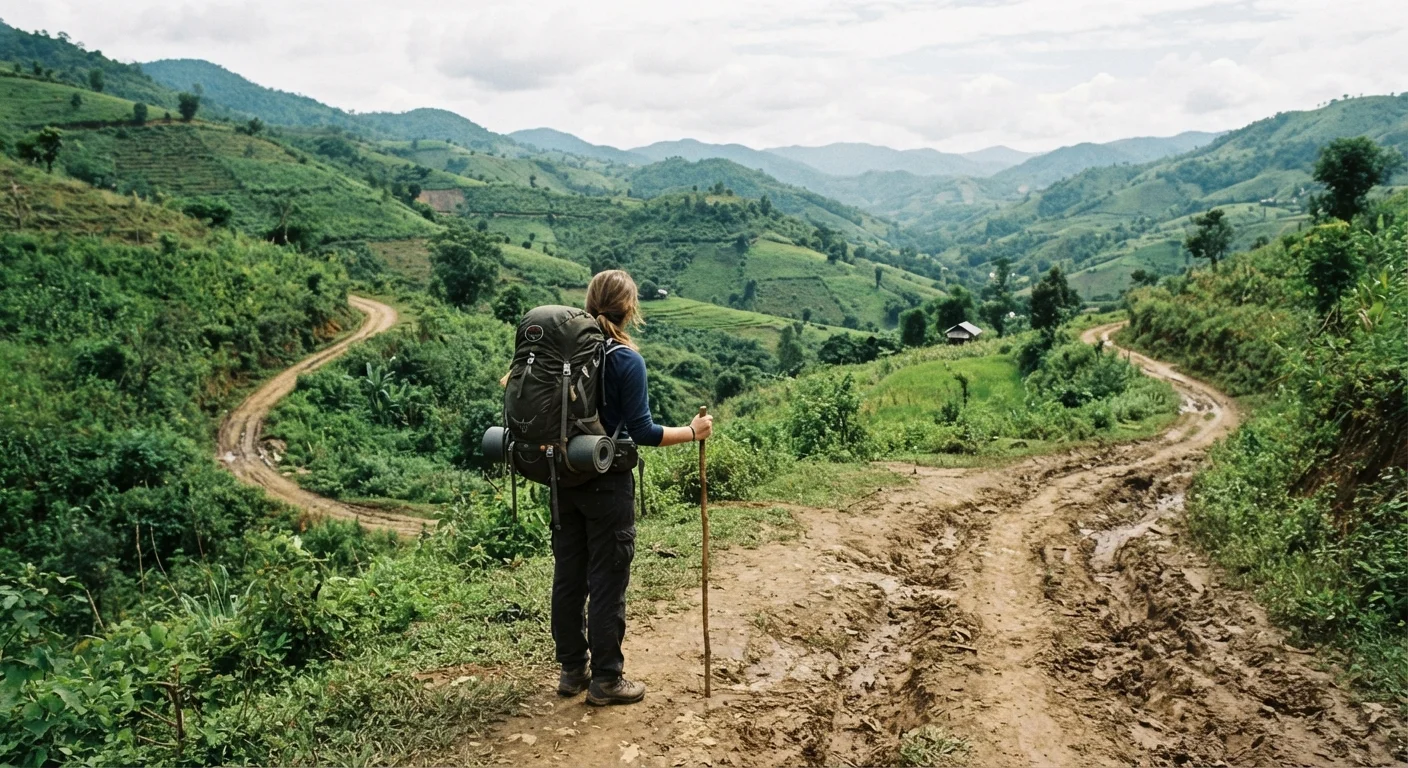
"Off the beaten path" refers to travel destinations or experiences that are less visited, less publicized, or require more effort to reach than mainstream tourist sites. In travel writing, it's used to signal something away from crowds, package tours, or well-worn itineraries. In practice, the phrase is used so loosely that it can mean anything from a village an hour's drive off a highway to a country most Americans have never considered visiting.
In tourism research, the concept overlaps with terms like "alternative tourism," "off-peak travel," and "dispersal strategies" - policy efforts to reduce overcrowding at popular sites by steering visitors elsewhere.
A Phrase That Does a Lot of Work
Pick up almost any travel publication and you'll find it: off the beaten path. It's shorthand for adventure, discovery, and the idea that you're seeing a place before the crowds do. The problem is that the phrase carries enormous weight while meaning almost nothing specific.
"Off the beaten path" is relative. For a traveler whose reference point is Times Square or the Eiffel Tower, a mid-sized regional city in Eastern Europe might qualify. For a seasoned traveler who has visited 40 countries, the same city might feel thoroughly mapped. There's no agreed threshold - no crowd count, no infrastructure score, no official designation. It's a feeling, dressed up as a fact.
That matters because US travelers planning international trips increasingly use this framing to filter destinations - and the filter is blurry. Understanding what the phrase actually signals (and what it doesn't) is one of the more useful things you can do before committing to an itinerary. For a broader look at how travel language can mislead, see common travel myths that derail planning.
“The traveler sees what he sees. The tourist sees what he has come to see.”
— G.K. Chesterton, Author and essayist
What the Phrase Usually Signals - and What It Hides
When travel writers use "off the beaten path," they typically mean one or more of the following: fewer international tourists, less developed tourism infrastructure, a need for more independent planning, or a destination that doesn't appear on the standard itinerary for that region. Each of those things is real and worth knowing. But each also comes with trade-offs the phrase tends to obscure.
Top 10%
Share of destinations absorbing most global tourism
Research on global tourism patterns consistently shows that a small fraction of destinations receive the overwhelming majority of international tourist arrivals, leaving vast regions genuinely undervisited.
2-3 years
Typical timeline from "hidden gem" to overcrowded
Tourism researchers and destination managers have documented rapid visitor growth at destinations following major media exposure, often straining local infrastructure within a few travel seasons.
Fewer tourists doesn't mean easier travel. A place with limited tourism infrastructure may have fewer English-language signs, fewer ATMs, inconsistent public transit, and medical facilities that are harder to access in an emergency. None of that makes it a bad destination - but it does mean you should plan differently.
"Undiscovered" is rarely accurate. Most places marketed to American travelers as hidden gems are well known to regional and domestic visitors. A village overlooked by US tour operators may host thousands of visitors from neighboring countries every weekend. The discovery framing is often a Western-centric perspective, not an objective measure of foot traffic.
This connects to a wider question about what we mean when we call travel experiences "authentic" - something worth examining closely before it shapes your itinerary. The mythology of authentic travel is a good place to dig into that.
How to Use the Concept Honestly in Your Planning
The goal isn't to abandon the idea of seeking less-touristed places - that's a legitimate and often rewarding travel preference. The goal is to ask sharper questions than the phrase usually prompts.
Ask What You Actually Want From a Trip
Before searching for "off the beaten path" destinations, define your actual priorities: quiet, cultural depth, natural scenery, low cost, or minimal crowds at specific times of day. Those specific criteria will lead you to better matches than a catch-all phrase. Secondary cities, shoulder-season timing, and early-morning visits to famous sites can deliver the "off the beaten path" feeling without the logistical complexity of truly remote travel.
Instead of searching for "off the beaten path destinations in ," try asking: What do I actually want from this trip - solitude, cultural immersion, specific landscapes, lower costs? Then research which destinations deliver that, regardless of how they're labeled.
Secondary cities near major tourist hubs are often genuinely undervisited and far easier to navigate than remote alternatives. They tend to have solid infrastructure, some English-speaking services, and authentic local character precisely because they weren't built for international tourism. That's a more practical version of the "off the beaten path" ideal for most travelers.
It's also worth being honest about your own preparation. Truly remote travel - places with limited connectivity, difficult access, or complex entry requirements - demands more research, flexibility, and sometimes expense than a standard trip. Reading a destination honestly is a practical framework for building that fuller picture before you go.
Travel language shapes expectations, and expectations shape experiences. A phrase like "off the beaten path" sets up a story about discovery - but the most satisfying trips tend to be built on accurate information, not a compelling narrative.