

Key Takeaways
Start here
What Online Dating Actually Looks Like Today
Next
Choosing Where to Start
Then
Setting Up Your Profile Honestly
Important
Staying Safe From Day One
When you're ready
Managing Expectations (Kindly, Realistically)
What Online Dating Actually Looks Like Today
If you've never used a dating app, your mental image of online dating may be more dated than the platforms themselves. Today's apps range from quick-swipe formats to detailed questionnaire-based systems - and they're used by tens of millions of Americans across every age group and relationship goal.
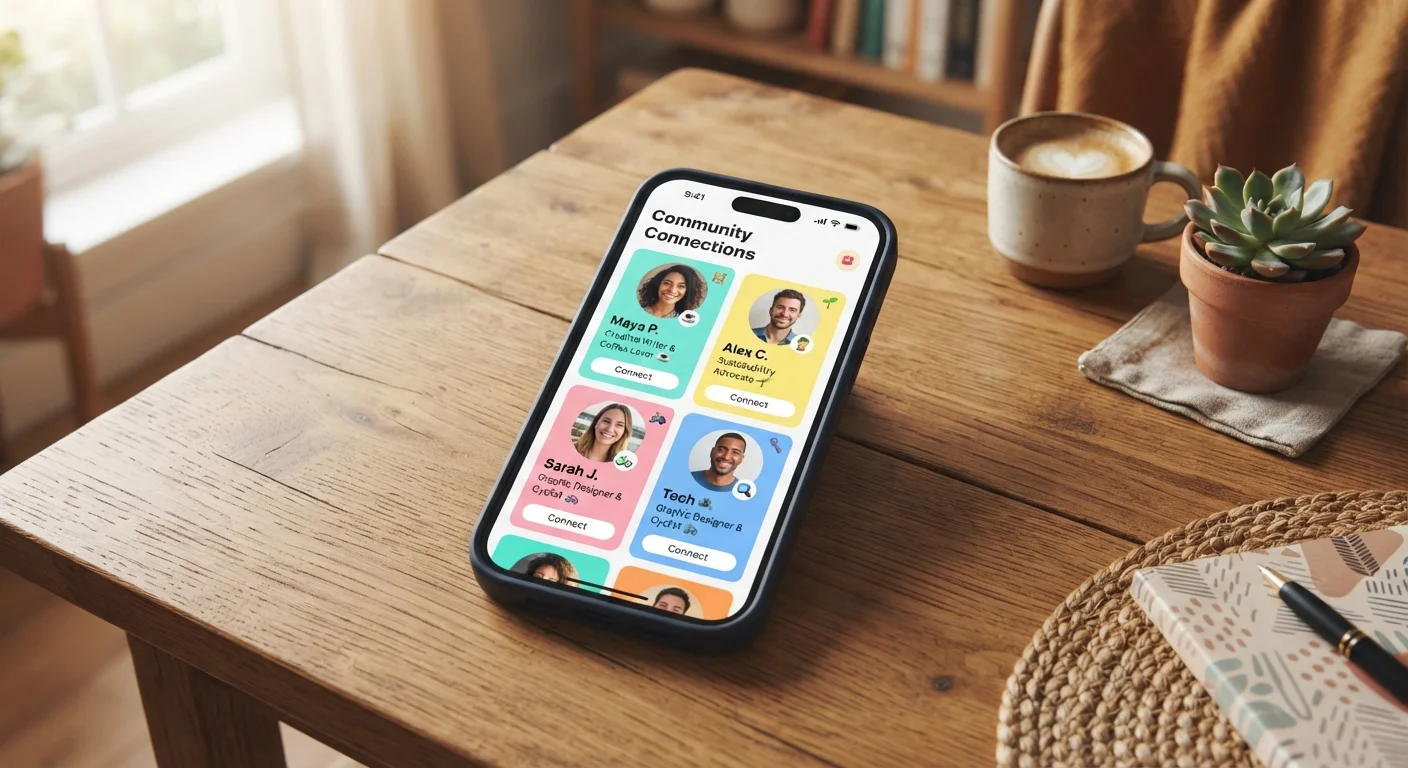
The core mechanic is simple: you create a profile, browse other profiles, and signal interest. If both people express interest, you can message each other. What happens from there is ordinary human connection - just with a digital starting point. For a side-by-side look at how different platform styles shape your experience, see how swipe-based and search-driven apps compare.
Match
A match occurs when two users both express interest in each other on an app, unlocking the ability to send messages.
Profile
Your profile is your public presence on a dating platform - typically including photos, a short bio, and basic information like age and location.
Algorithm
The behind-the-scenes system an app uses to decide which profiles to show you, based on factors like activity level, preferences, and engagement patterns.
Catfishing
When someone creates a fake online identity - often using another person's photos - to deceive potential matches about who they really are.
Swipe-based app
A dating platform where you quickly indicate interest or disinterest by swiping left or right on profile cards, rather than browsing detailed listings.
Choosing Where to Start
There is no single "best" app for everyone - the right platform depends on what you're looking for, your age range, and your comfort with technology. Some apps are designed around rapid visual decisions; others ask detailed questions about values and lifestyle before surfacing matches. Your choice shapes the pool of people you'll encounter and the conversational pace that follows.
Consider what matters most to you: Are you looking for something serious or more casual? Do you want a large user base or a more curated experience? Reading about how app algorithms actually work can also help you set realistic expectations about why certain profiles appear - and why others don't.
Start With One App, Not Five
When you're new, resist the urge to sign up for every platform at once. Pick one app that seems to match your goals, spend two to three weeks learning how it works, and evaluate honestly before adding more. Juggling multiple apps before you're comfortable tends to create more noise than opportunity.
Setting Up Your Profile Honestly
Your profile is the first impression you make on every potential match. The temptation is to present an idealized version of yourself - but profiles that accurately represent who you are tend to attract people who are genuinely compatible with you. That saves everyone time and reduces the awkward gap between online persona and real-life first meeting.
Focus on specific details rather than generic statements. "I love hiking" tells someone little; "I spend most Sunday mornings on trail in the Cascades" gives them something to respond to. Choose photos that are recent and varied - at least one clear headshot and one that shows you doing something you enjoy. For deeper guidance on this, our piece on building a profile that reflects who you actually are walks through bios and photo selection in practical detail.
Staying Safe From Day One
Safety online isn't about paranoia - it's about sensible habits that protect your privacy while you're getting to know strangers. A few practices make a meaningful difference from the start.
- Keep personal details private early on. Avoid sharing your last name, home address, workplace, or daily routine until you've built genuine trust over multiple conversations.
- Use the app's messaging system. Moving to a personal phone number or email too quickly gives someone access that's harder to revoke.
- Reverse-image search profile photos if something feels off. Catfishing - using someone else's photos to pose as a different person - does happen, and a quick search can surface inconsistencies.
- Meet in public for first dates. Arrange your own transportation, let a friend know where you're going, and trust your instincts if something feels wrong once you arrive.
Before any first meeting, our pre-date readiness checklist covers both safety logistics and the kind of mindset preparation that helps you show up feeling calm.
Never Send Money to Someone You Haven't Met
Romance scams - where someone builds trust online then invents an emergency requiring financial help - are unfortunately common and can be financially devastating. No matter how genuine a connection feels, transferring money to someone you've only met through an app is a serious red flag. If this happens, stop contact and report the account immediately.
Managing Expectations (Kindly, Realistically)
Online dating works for a lot of people - but rarely on the timeline they hoped for. Early matches may not lead to conversations. Conversations may not lead to dates. Dates may not lead to a relationship. This isn't failure; it's the ordinary pace of meeting people, just made more visible by the app's interface.
A few mindset shifts tend to help first-timers stay motivated without burning out. Treat the process as practice in communication and self-understanding, not just a pipeline to a partner. Take breaks when swiping starts to feel like a chore. And remember that the real trade-offs of dating app convenience are worth understanding - the ease of access is real, but so is the emotional labor involved.
When things do start moving forward, it helps to understand what healthy pacing actually looks like. Our guide to the modern dating timeline can help you distinguish normal progression from early warning signs - so you can move forward with confidence.